What I would focus on in the Security, Resilience and Cohesion Division
I would focus on the places where British Jews need practical change: workplaces, public institutions and universities.
I am standing for the Board of Deputies’ Security, Resilience and Cohesion Division because I want British Jewish life to be safer, freer and stronger. Security matters, and proper public funding for it is indispensable. It is not, however, the whole job. A community is not flourishing merely because its buildings are protected. Jewish people also need to be able to work, study, participate in public life and contribute to this country without being asked to make themselves smaller. If elected, I would focus on three places where the Board can help change those conditions: workplaces, public institutions and universities.
Workplaces
For many Jews, the ordinary workplace has become a place of calculation: whether they can wear a kippah or Jewish symbol without a comment, ask for time off for a festival without embarrassment, or say something about Israel without being treated as responsible for a foreign government. The same question arises when a colleague uses a work channel to circulate antisemitic material, or an employee network is made to feel unwelcome.
There are no universal answers to those questions. A bank, a school, a local authority and a small business are governed differently. But organisations do have policies, management responsibilities and legal duties. They should apply them fairly. They should understand that Jewish identity includes a relationship with Israel for most British Jews, and that an employer cannot decide which forms of Jewish identity are acceptable in its workplace.
I have held senior leadership roles at McKinsey, AIG and Swiss Re. That experience has taught me that an institution changes when somebody accepts responsibility for a specific outcome, understands the relevant process and stays with the issue until the practice changes. I would bring that practical perspective to SRC’s work with employers, Jewish staff networks, professional bodies and Deputies who are dealing with local cases.
Public institutions
Public institutions have a particular responsibility. They belong to all of us, and Jewish citizens have the same right as anyone else to use them, contribute to them and be treated fairly by them.
When an institution cancels a Jewish event because people threaten to disrupt it, or when it asks Jews to alter their behaviour because others object to their presence, the institution has moved the burden from the disruptor to the person being targeted. That is a failure of responsibility. The first question should be what the institution can do to uphold its own purpose, protect lawful activity and deal with those who are creating the problem.
The Board cannot solve every case itself. It can identify recurring failures, make clear representations to the bodies responsible and insist that their stated duties are applied in practice. This includes public bodies, cultural institutions, professional organisations and local civic structures. The aim is not a larger pile of expressions of concern. It is an outcome that leaves Jewish people better able to take part in public life.
Universities
I chaired the Union of Jewish Students, and I care deeply about the ability of Jewish students to live openly and confidently on campus. Universities should be places where students learn, argue, organise and make friends. Jewish students should not have to calculate the cost of joining a society, attending a lecture, wearing a Jewish symbol or speaking about Israel.
In my professional life I have led partnerships with universities and learned much about working with them. The immediate response to an incident matters. So does the environment that permits repeated incidents to happen. Universities have responsibilities through their codes of conduct, disciplinary processes, equality duties, security arrangements and student-support systems. They need to meet them. The Board’s role should be to support UJS, work with university leaders where useful, and pursue the institutional changes that allow Jewish students to participate fully in university life.
The Board also has a national network that can be of real use here. A Deputy often knows the local university, council, school, police force and civic organisations better than anybody in a central office. Deputies should be able to bring local intelligence into national work and have practical support when they need to act locally.
How I would work
My approach would be straightforward. I would start by identifying the specific change needed and the institution that can make it. I would establish the rule, duty or process that applies, make a clear ask, and pursue it until there is a result or a candid explanation of why one has not been secured.
That does not mean treating every issue as a fight. Some of the most durable progress will come from people inside institutions who want to get this right and need a clearer understanding of Jewish experience. It does mean being willing to say when a public body, employer or university is falling short of its own standards.
SRC should be a place where Deputies can contribute their local knowledge and receive practical help, where the Board’s access to government and institutions is used for a purpose, and where work is reported honestly. The relevant question is not whether a meeting happened. It is whether British Jewish life is safer, freer and stronger because of it. I would be grateful for the support of my fellow Deputies in the SRC by-election.
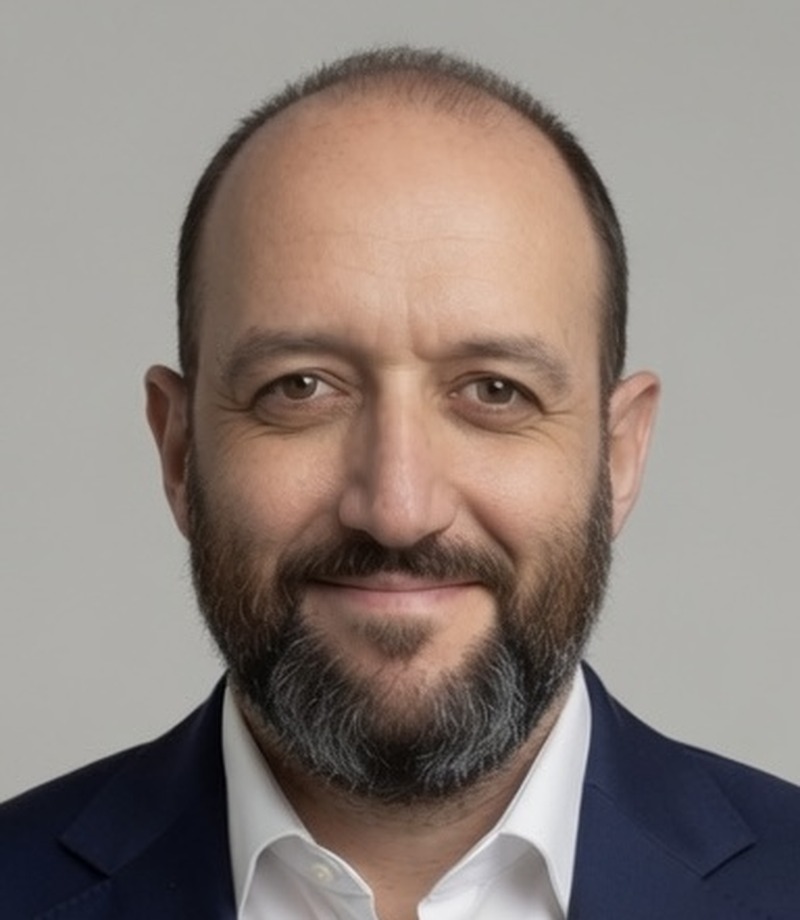
I work in insurance and write about artificial intelligence, risk and community — Jewish and British. This site collects the writing. More about me.